
The world is in dire need of sustainable practices, especially in the field of environmental engineering. This blog post delves into the importance of sustainability in environmental engineering, the innovative practices being adopted, and the future of this crucial field. We will explore the challenges, the solutions, and the transformative power of sustainable practices in environmental engineering.
The Imperative for Sustainability in Environmental Engineering
Environmental engineering has always been at the forefront of addressing global environmental challenges. The field is evolving rapidly, with sustainability becoming a central focus. The need for sustainable practices in environmental engineering is more urgent than ever before.
Climate change, resource depletion, and environmental degradation are pressing issues that require immediate attention. Environmental engineers play a crucial role in mitigating these problems. They design, develop, and implement solutions that are not only effective but also sustainable.
Sustainable practices in environmental engineering aim to reduce the environmental impact of engineering projects. They focus on conserving resources, reducing waste, and promoting the use of renewable resources. These practices are not just beneficial for the environment, but they also make economic sense.
The shift towards sustainability in environmental engineering is not without challenges. It requires a change in mindset, the adoption of new technologies, and a commitment to continuous learning and improvement. Despite these challenges, the benefits of sustainable practices far outweigh the difficulties.
Innovative Sustainable Practices in Environmental Engineering
Innovation is the key to achieving sustainability in environmental engineering. Engineers are constantly coming up with new ways to reduce the environmental impact of their projects.
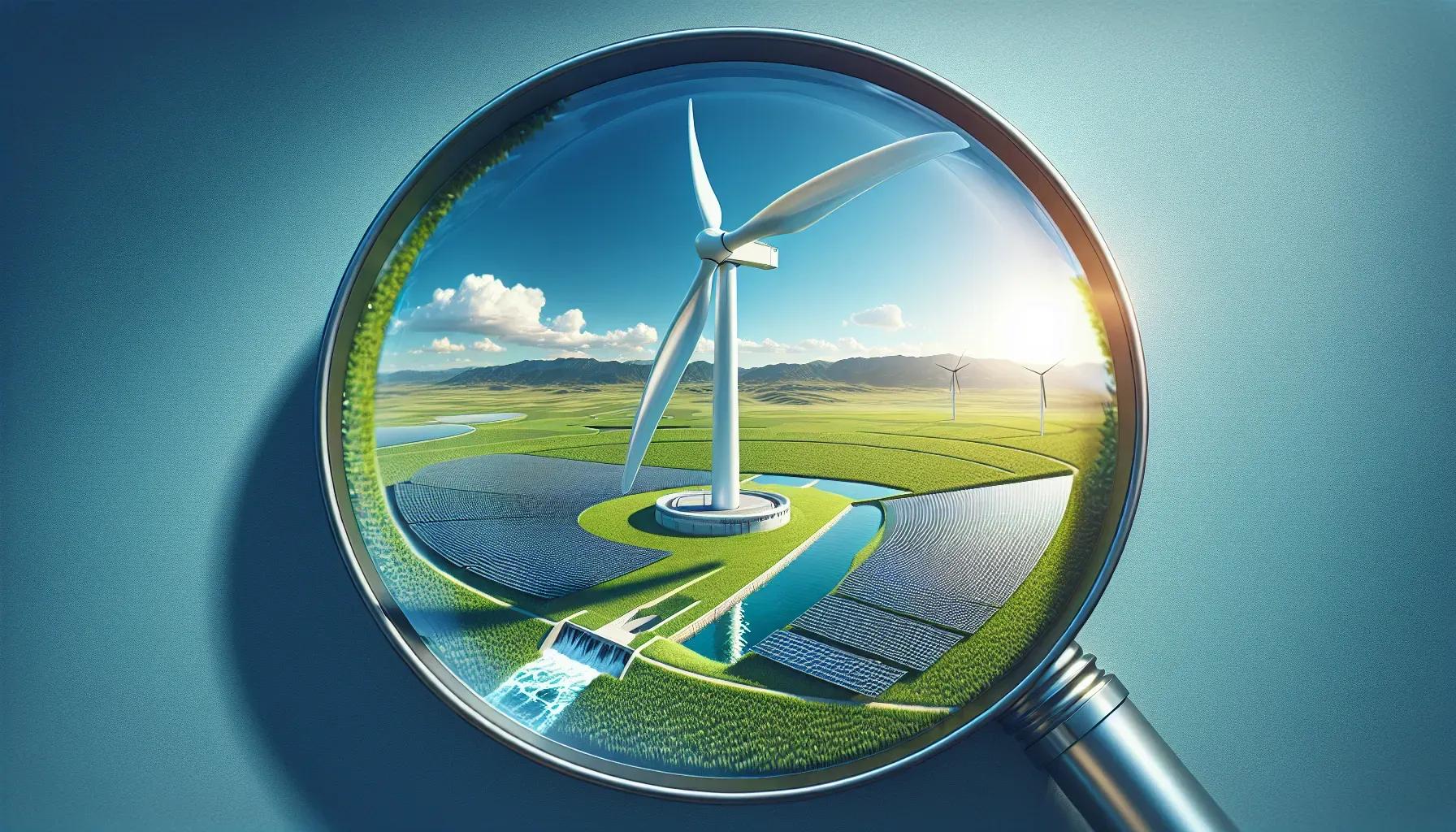
One of the most promising innovations is the use of renewable energy sources in engineering projects. Solar, wind, and hydro power are being increasingly used to power engineering projects, reducing their reliance on fossil fuels.
Another innovative practice is the use of recycled materials in construction. This not only reduces waste but also conserves resources.
Green infrastructure is another area where environmental engineers are making significant strides. This involves the use of natural systems to provide essential services, such as water management and air purification.
These innovative practices are not just good for the environment, they also offer significant economic benefits. They reduce costs, improve efficiency, and create new opportunities for growth and development.
The Future of Sustainable Practices in Environmental Engineering
The future of sustainable practices in environmental engineering is bright. As the world becomes more aware of the environmental challenges we face, the demand for sustainable solutions is only going to increase.